


Prince Philip was a great Briton
Prince Philip was a great Briton

Sir Michael EllisSun, August 9, 2026 at 11:21 AM UTC
0
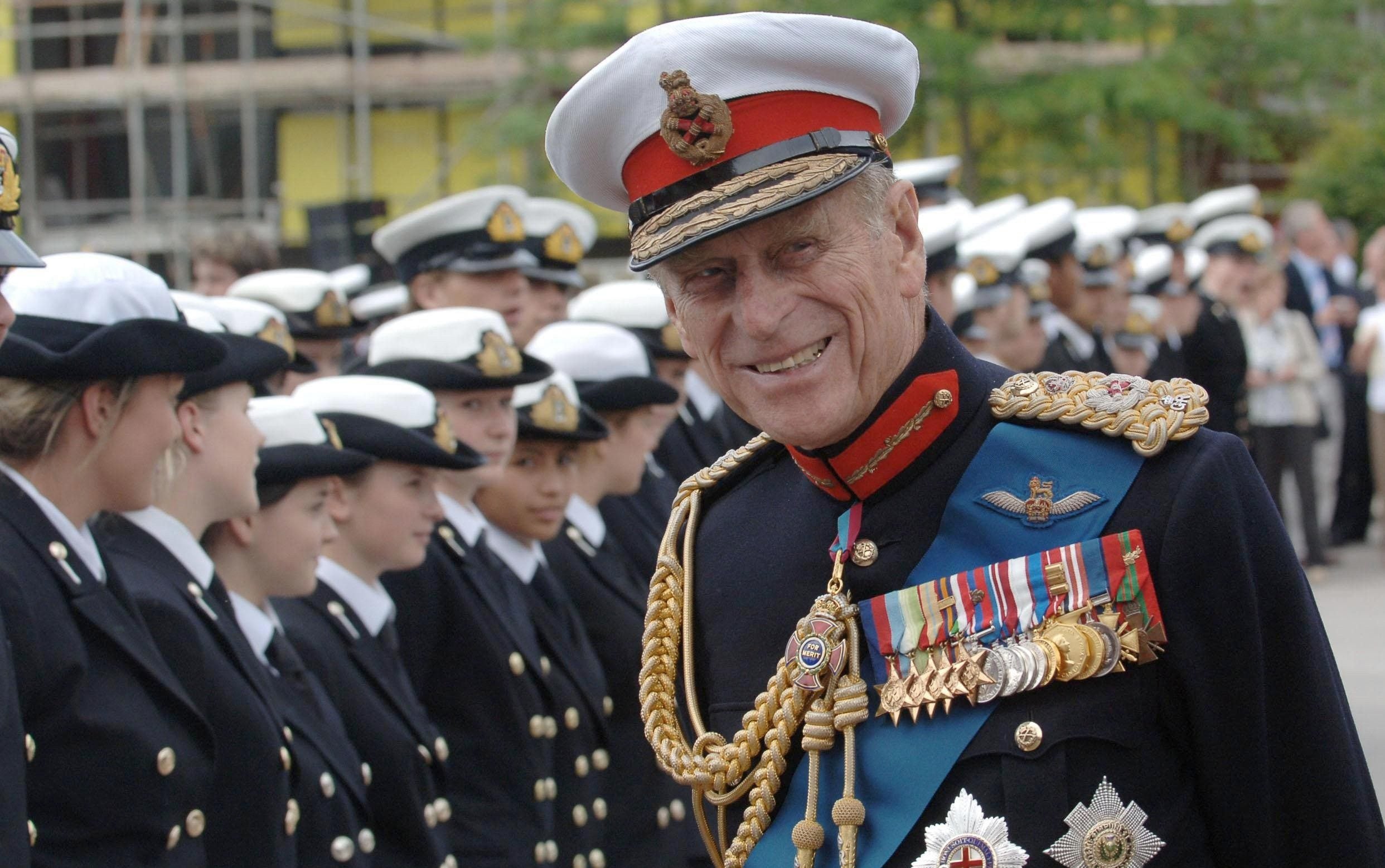
Prince Philip’s naval superiors described him as a superb officer and said he would have been an admiral had he stayed in the service - Stefan Rousseau/PA
Asked on BBC Radio 4’s Today programme whether His Majesty The King was “White British” Rupert Lowe MP of the Restore party actually felt unable to give an affirmative answer. How absurd is that?
This reluctance to state the obvious was presumably because under some controversial definitions of what it means to be White British, both parents must be born in the UK, and as we know His Majesty’s father was born on the Greek island of Corfu.
Prince Philip may have been a Prince of Greece by title but he was not actually of Greek blood.
He considered himself to be lacking a family at all but was by blood from the German/Danish royal line – the House of Schleswig-Holstein-Sonderburg Glücksburg.
But frankly who cares what his bloodline was?
He was as quintessentially British as they come, as British as the Union Flag, as British as queuing, crumpets or Carry On films.
More importantly Prince Philip was a truly “Great Briton” whose service to this country spanned the century and was monumental in its scope and impact.
For more than 73 years he loyally stood by the late Queen. He was her strength and stay, as she said herself. She was aided by him and comforted, protected and respected by him through their lifetime together. He never sought to cross into state business, he kept the vow he made when he knelt before her at her coronation in 1953 and touched her crown.
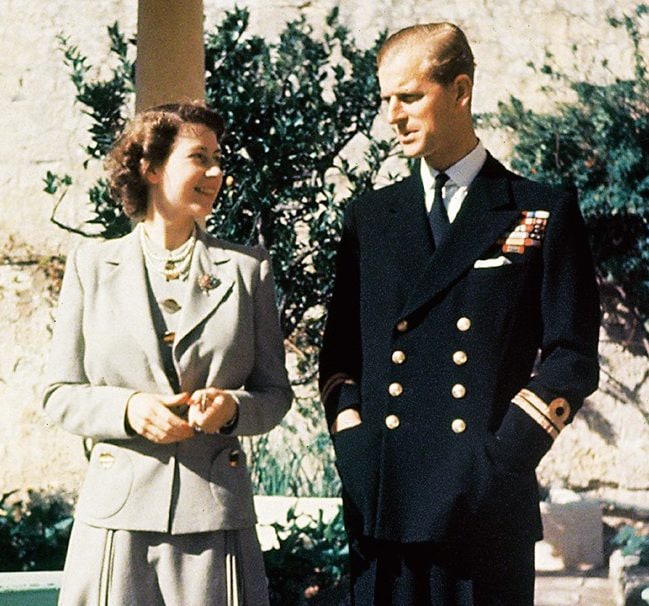
The then Princess Elizabeth with her husband, Prince Philip, on their honeymoon in Malta, where he was stationed in 1947 - Hulton Archive
Together they were the very personification of fidelity, duty and service. That support for the late Queen in her own lifelong duties was extraordinary in itself. But it wasn’t all.
Advertisement
Before that he had fought at sea in the Royal Navy and distinguished himself in World War Two with considerable aplomb. They said of him that he would have been an admiral had he stayed in the Royal Navy. His superior officers acknowledged the same unreservedly after the war. He was a superb naval officer.
But more than that he was intuitively and temperamentally British. Occasionally irascible perhaps, but all the more British for it. He loved the people of this country, loved all four corners of the realm and served it with distinction by engaging in over 22,000 engagements over a vast period of duty from 1952 before finally retiring aged 96 in 2017.
But it was an incident when he was 13 years old that marked him out to be someone special, destined to be that defiant, fiercely independent leader and great British patriot of that great British generation that he was to be all his life.
In 1933, at age 12, Philip had been sent by his elder sister to school in Germany. His mother, Princess Alice, had been confined to a psychiatric institution in Switzerland receiving treatment for schizophrenia. His father was absent living near Monte Carlo following the breakdown of his marriage and the family’s exile and his near execution in Greece.
At that time, the Nazis were all the rage – the earliest anti-Semitic laws had been enacted and they were garnering swathes of support in Germany. Visiting Philip’s school regularly, they paraded with their jackboots and Hitlerian salutes and the little blond boy, an isolated and family-less aristocrat, who might have been susceptible to their warm entreaties to him, simply found them absurd, comical and more then a little ridiculous.
Whenever they visited the school the young Prince laughed aloud and ridiculed them, despite being warned by the teachers not to. His relentless mocking was so persistent that he was later asked to leave the school, after which his journey began at Gordonstoun.
His headmaster at Gordonstoun was Jewish, and he always viewed Kurt Hahn as a formative influence on his long life.
Philip did more than ridicule the Nazis in later life. He fought them – and he won.
While he may not have been born in Britain, Prince Philip was as British as they come, and the King is every inch his father’s son.
The same can and does apply to many others who live in this country, irrespective of their parents place of birth.
Source: “AOL Entertainment”
